
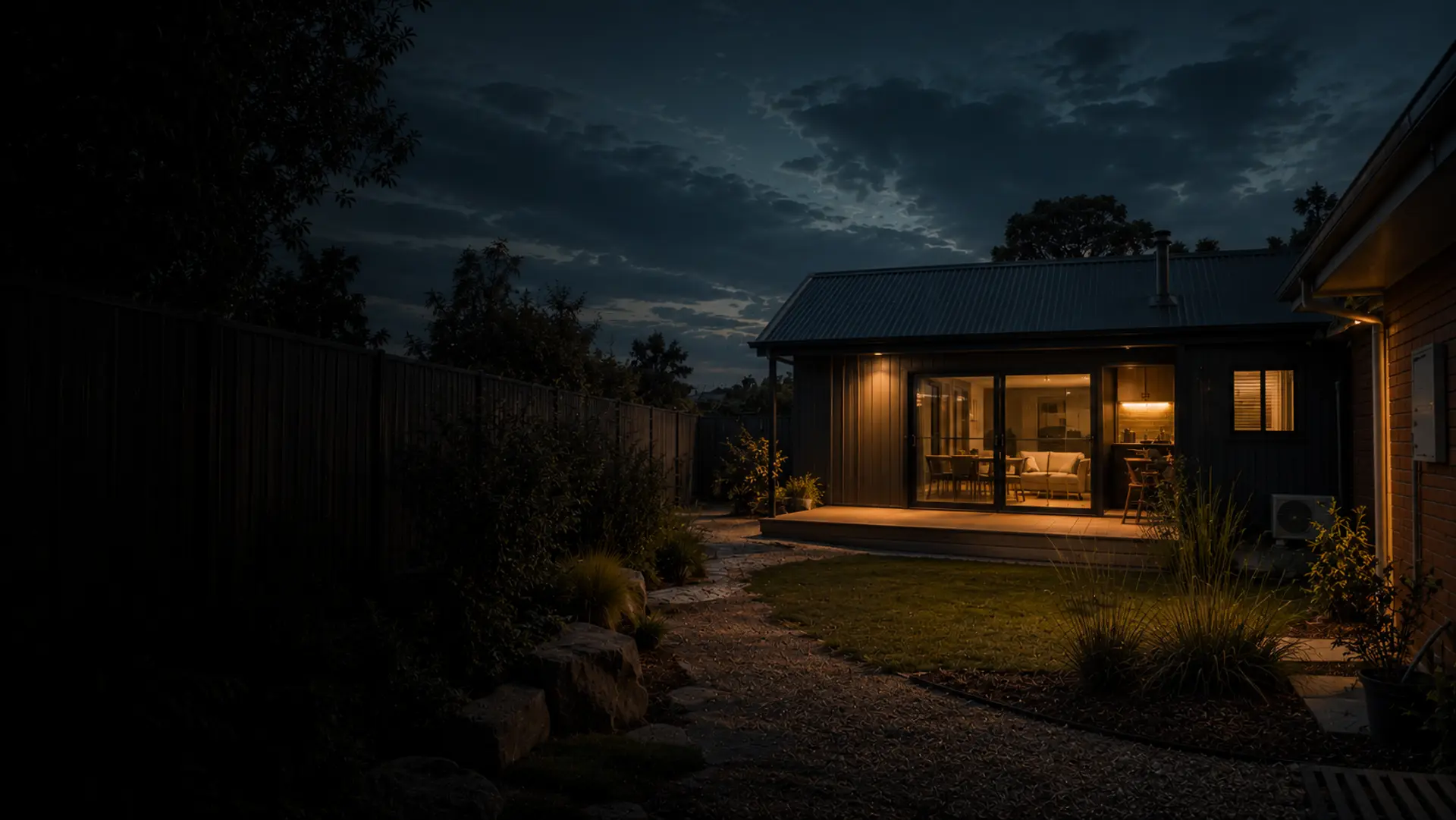
Granny flats
A second rent off a block you already own, if the block works.
A well placed granny flat adds a second rent and lifts the value of a property you already own. It's one of the few plays where you can manufacture yield and equity on land you've already paid for. But it's not a blanket fit, whatever the bloke selling flat packs tells you. Some markets it stacks up beautifully. Some it flat out doesn't.
The play, in plain terms
Yield
A second dwelling means a second rent. On the right block that pushes a property from "mostly pays for itself" to genuinely cashflow positive, which changes what the bank lets you do next.
Equity
Done in the right market, the build costs less than the value it adds. That gap is manufactured equity, and it can fund the next deposit without you saving another dollar.
Demand
Smaller households, ageing parents, adult kids who won't leave. Small rentals are chronically short in most markets I watch, and one and two bedroom stock rents fast.
The product
The Goulburn 50
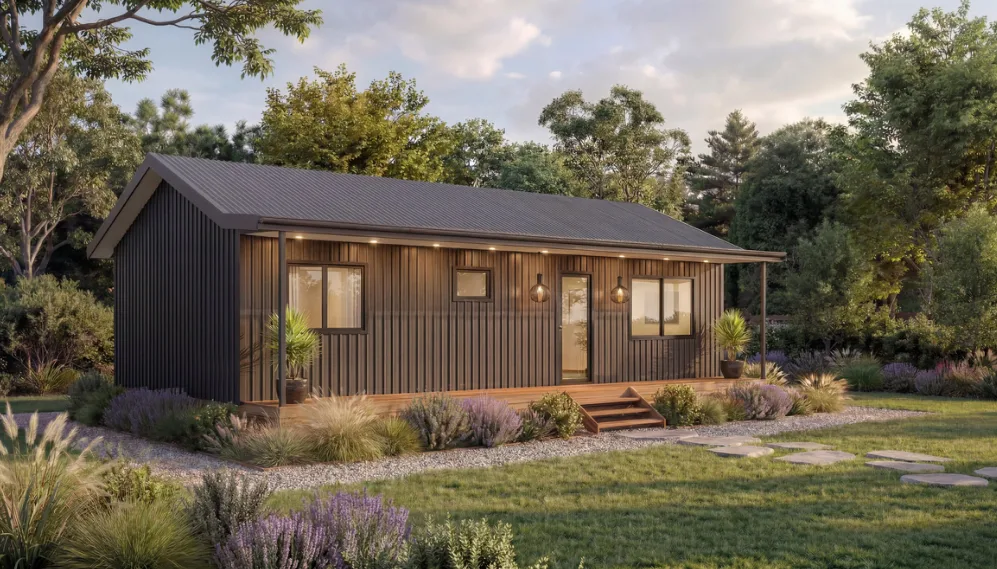
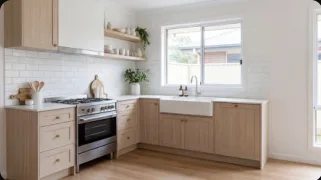
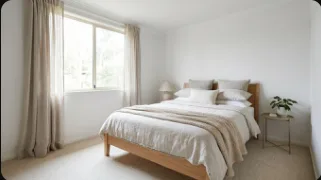
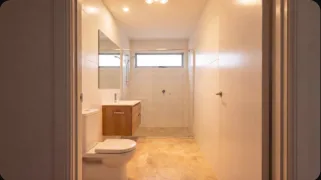
Two bedrooms, one bathroom, 50 square metres, 12 metres by 4.2. Built on your block by Thwaites Constructions, a registered Victorian builder, on a fixed price contract. Turnkey means turnkey: stone benchtops, Colorbond roof and cladding, split system heating and cooling, 7 star energy rating, blinds on the windows and paint on the walls. Bring a tenant.
- No planning permit needed on Victorian lots over 300 square metres, and the building permit is arranged for you
- Fixed price contract, so the quote is the price
- Rentable to anyone. No family-only restriction
- Builder's warranty insurance, plus a three month post-handover check-in
Budget around $200k built, and a two bedroom like this can rent upwards of $450 a week, though the market decides that, not the brochure. Site costs move the build number, which is why the feasibility comes first. But you deserve a ballpark before you give anyone your phone number.
Victorian small second dwelling rules shown; other states differ. Upgrades and lead times come with the feasibility assessment. Render is illustrative, finishes may vary.
Who this suits
- Investors with a rental on a decent block
- BFA clients adding a yield kicker to a growth property
First step: find out if your block even works
Anyone who says yes before seeing your site is selling you a box. The feasibility assessment looks at the things that actually decide it:
- Block size, access and where the services run
- Council and state rules for secondary dwellings in your area
- Realistic rent for a second dwelling on your street
- Build cost against the value and yield it adds
- Whether the money does more in your next purchase instead
That last one matters. If the numbers say don't build, I'll tell you don't build. I'd rather lose a sale than have you standing in the backyard next to an expensive mistake with a kitchenette.
Want a first look yourself?
I built a free tool that does the rough pass. Punch in an address, trace the block on the aerial, and it checks lot size, setbacks and coverage against indicative state rules to see if a granny flat actually fits. It's a screening tool, not planning advice, but it'll tell you fast if a block is a non-starter.
Open the feasibility analyserFair questions
The ones everyone asks before the feasibility.
Do I need a planning permit?
What does it cost, and what does it rent for?
Can I rent it to anyone, or just family?
What if my block doesn’t stack up?
Got a block in mind?
Send through the address and I'll run the numbers properly. If it stacks up, you'll know what it costs, what it rents for and what it adds. If it doesn't, you'll know that too, and knowing before you build is the cheapest outcome on this whole page.
★★★★★ 5.0 from 30 Google reviews · Built by Thwaites Constructions, registered Victorian builder